
Systemic Lupus Erythematosus (SLE) Doctors Fort Mill, SC
Discover root-cause functional medicine care for Systemic Lupus Erythematosus (SLE) in Fort Mill, SC. Calm immune flares, repair gut integrity, and regain energy.
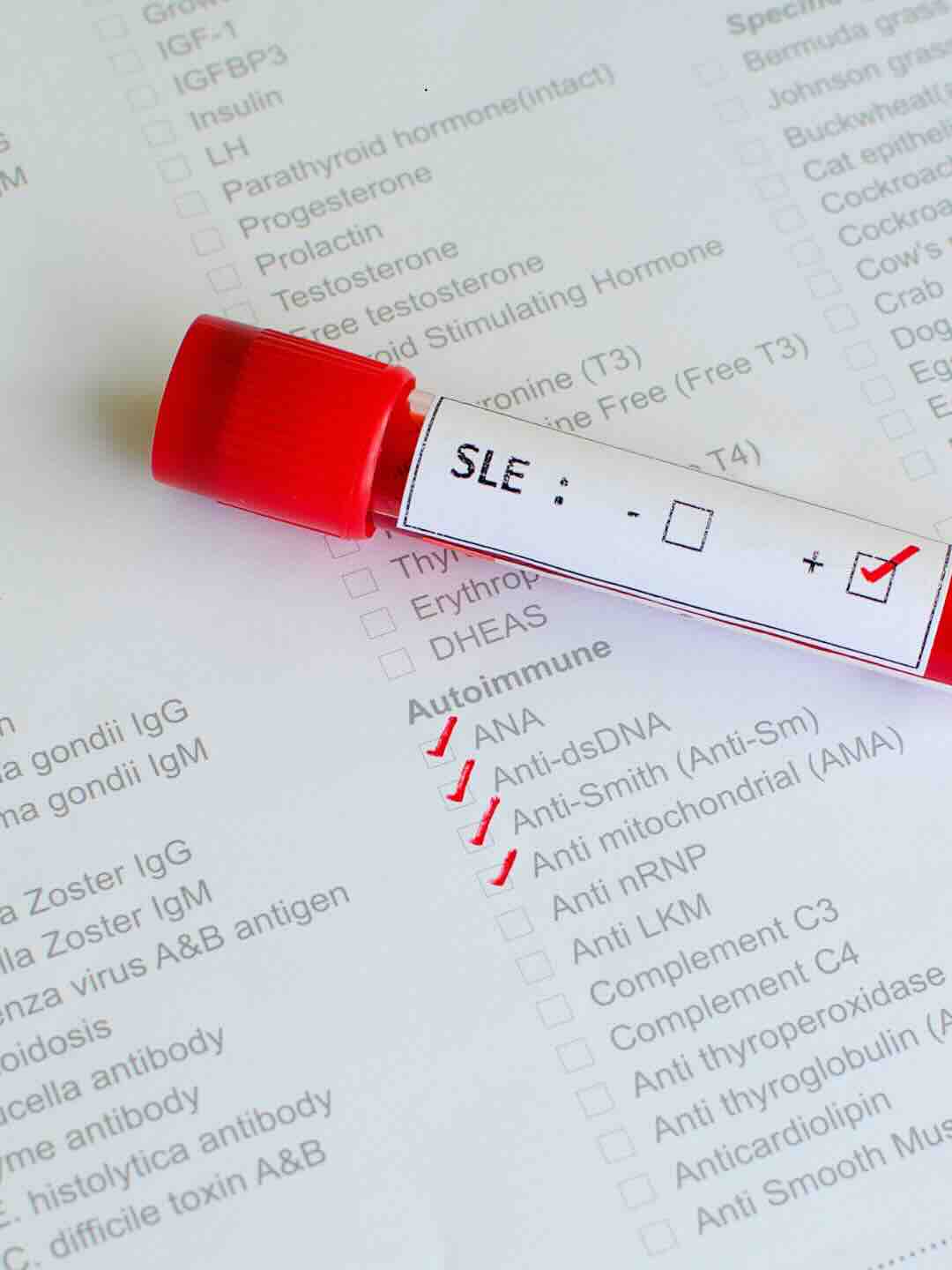
Calming the Autoimmune Storm: A Functional Approach to Lupus (SLE)
Systemic Lupus Erythematosus (SLE) is a complex autoimmune condition where the immune system loses self-tolerance, creating autoantibodies that can affect multiple systems—including joints, skin, kidneys, blood vessels, and the central nervous system.
While conventional treatments rely primarily on long-term immunosuppressants, corticosteroids, and antimalarials to blunt active flares, functional medicine looks upstream to determine what triggered the immune confusion in the first place.
At Infinite Wellness in Fort Mill, SC, our goal is to identify environmental, gut, microbial, and metabolic triggers, helping you cool systemic inflammation, prevent flares, and support tissue healing from the inside out.
Root Causes & Drivers We Investigate in SLE
Intestinal Permeability (“Leaky Gut”): A compromised gut barrier allows bacterial lipopolysaccharides (LPS) and antigens into the bloodstream, constantly stimulating immune hyper-reactivity.
Chronic Viral Burdens & Molecular Mimicry: Latent infections like Epstein-Barr Virus (EBV) or Cytomegalovirus (CMV) can cross-react with healthy tissue, triggering ongoing autoantibody production.
Environmental Toxin Burden: Exposures to mold mycotoxins, silica, heavy metals (mercury, lead), and endocrine disruptors alter immune self-tolerance.
Hormonal & Estrogen Dominance: Estrogen plays a potent role in immune modulation; imbalances between estrogen and progesterone often correlate with lupus symptom flares.
Mitochondrial Dysfunction & Chronic Oxidative Stress: Impaired cellular energy and severe oxidative damage contribute to persistent, debilitating fatigue and slow cellular repair.
Specialized Diagnostics for SLE
Comprehensive Autoimmune & Inflammatory Markers: ANA titers with reflex patterns, anti-dsDNA, anti-Smith, complement levels (C3/C4), hs-CRP, and ESR.
Microbiome & Intestinal Barrier Assessment (DNA/PCR Stool): Evaluates dysbiosis, gut inflammation (calprotectin), and secretory IgA.
Advanced Toxin & Mycotoxin Panels: Pinpoints hidden chemical, heavy metal, and indoor mold burdens.
Epstein-Barr & Viral Reactivation Profiles: Evaluates chronic, reactivated immune burdens.
Cellular Micronutrient & Antioxidant Profiles: Measures levels of vitamin D, glutathione, CoQ10, and essential fatty acids needed to modulate regulatory T-cells.